All The Contents by Labels

Books Review/ पुस्तक परिक्षण (1) Current Affairs (1) Ghazal (1) Life Hacks (2) Life Style (2) Marathi (1) qoutes /सुविचार (1) Traveling Spots (1) Trending Topics (1) आजचे जग (1) इतर कविता (23) इतर कविता / General Poems (84) कविता (4) कविता/Poem (2) ग़ज़ल (6) चालू घडामोडी (10) चालू घडामोडी /Current Affairs (8) चालू घडामोडी/Current Affairs (9) जीवनशैली (13) प्रेम कविता / Prem Kavita (60) प्रेम कविता /Love Poems (4) प्रेरणादायी कविता (3) प्रेरणादायी कविता / Inspiring Poems (10) मराठी (6) मराठी कविता (6) मराठी कविता / Marathi Kavita (2) मराठी कविता / Marathi Poetry (1) मराठी कविता / Poems (1) मराठी कविता /Marathi Poem (1) मराठी कविता /Marathi Poetry (3) मराठी ग़ज़ल (4) मराठी लेख (1) मराठी लेख / Articles (18) मराठी लेख / मराठी Articles / लघु कथा (3) मराठी सुविचार /Quotes (1) मुक्तछंद (1) मैत्रीच्या कविता (7) मैत्रीच्या कविता / Friendship Poems (10) लेख (1) लेख /Articles (18) लेख Marathi Lekhan (3) लेखन (10) लेखन / Marathi Lekhan (57) वास्तविकता (1) विचार / thoughts (2) विडंबन कविता (2) शायरी (1) सुविचार / One Liner (2) सुविचार / Quotes (2) सुविचार /Quotes (7) सुविचार/Quotes (1) हिंदी (1) हिंदी / Quotes (1) हिंदी Quotes (1) हिंदी कविता / Hindi Poems (2) हिंदी कविता /Hindi Poems (3) हिंदी कविता /Poems /Quotes (1) हिन्दी कविता / Hindi Poems (2)

Monday, February 10, 2025

The Rise of AI in Content Creation: Opportunities and Challenges for Writers in 2025/कृत्रिम बुद्धिमत्तेच्या मदतीने कंटेंट क्रिएशनमध्ये होणारे बदल: लेखकांसाठी संधी आणि आव्हाने 🤖


📢 The Rise of AI in Content Creation: Opportunities and Challenges for Writers in 2025 🤖✍️

🔖 Hashtags:

#AIWriting #ContentCreation #ArtificialIntelligence #FutureOfWriting #AIvsHuman #DigitalTransformation #TechTrends #CreativeWriting #SEO #Blogging #AIContent #MachineLearning


🔹 Introduction

Artificial Intelligence (AI) is reshaping the way we create content, making it faster and more efficient. AI-powered tools like ChatGPT, Jasper, Copy.ai, and Grammarly are transforming the writing industry by automating content generation, improving grammar, and enhancing creativity.

However, does AI truly replace human creativity? 🤔 While AI can generate content within seconds, it lacks emotional intelligence, deep creativity, and human touch—which are crucial in storytelling and brand communication.

This article explores how AI is revolutionizing content creation, the opportunities it presents for writers, and the challenges it brings.


🔹 How AI is Transforming Content Creation

1️⃣ Automated Content Generation 📝

AI tools can now generate:
✔ Blog posts
✔ Social media captions
✔ Ad copies
✔ Product descriptions
✔ Video scripts

👉 Example: AI-generated news articles are now common in journalism, with platforms like Bloomberg's Cyborg creating automated financial reports.

2️⃣ SEO-Optimized Writing 🔍

AI tools help optimize content for search engines by suggesting:
✔ Relevant keywords
✔ Proper readability scores
✔ Internal and external linking
✔ Headline improvements

👉 Example: Tools like Surfer SEO and Frase assist bloggers in ranking higher on Google.

3️⃣ Personalization & AI Chatbots 💬

AI allows businesses to create:
✔ Personalized email campaigns
✔ AI-generated chatbot responses
✔ Automated customer support

👉 Example: ChatGPT-powered chatbots enhance customer interaction by providing quick responses and improving engagement.

4️⃣ AI-Assisted Editing & Proofreading ✍️

AI tools like Grammarly, Hemingway Editor, and ProWritingAid help writers by:
✔ Fixing grammar errors
✔ Improving sentence clarity
✔ Checking plagiarism

👉 Example: AI-based grammar checkers reduce editing time by 50%, helping content writers focus on creativity.


🔹 Opportunities for Writers in AI-Driven Content Creation

OpportunityHow It Helps Writers
Faster Content ProductionWriters can use AI to generate drafts quickly and refine them
Better Research & InsightsAI can summarize complex topics, making research easier
Improved SEO PerformanceAI suggests relevant keywords for better search rankings
New Career PathsAI content specialists, editors, and AI trainers are in demand
Enhanced ProductivityAI helps automate repetitive writing tasks

👉 Example: Many companies hire AI content editors to refine machine-generated text into high-quality content.


🔹 Challenges Faced by Writers Due to AI

Lack of Creativity & Emotional Depth
AI can generate facts, but it struggles with emotional storytelling, humor, and deep creativity.

Plagiarism & Repetitive Content
AI-generated content often lacks originality, leading to possible plagiarism issues.

Dependence on AI Tools
Over-reliance on AI can reduce critical thinking and originality among writers.

Job Displacement Fears
Some content creators worry that AI will replace human writers, reducing job opportunities.

👉 Example: Many media companies now use AI for news writing, reducing the need for human journalists.


🔹 How Writers Can Adapt and Thrive in the AI Era

Focus on Creativity & Storytelling
AI cannot replace human emotions, personal experiences, and unique storytelling skills.

Become an AI Content Editor
Many companies need human editors to refine AI-generated content into high-quality writing.

Develop Strong Research & Analysis Skills
Writers who provide deep analysis, expert insights, and unique perspectives will always be in demand.

Learn AI Tools & Use Them Wisely
Instead of fearing AI, writers should use AI as an assistant to improve efficiency.

👉 Example: A writer can use ChatGPT for research, Grammarly for editing, and SurferSEO for optimization.


🔹 Conclusion

📌 AI is not a threat but a tool that can enhance content creation. While it speeds up writing and improves SEO, it still lacks the human touch, emotional intelligence, and deep creativity.

📌 Writers who embrace AI while leveraging their storytelling skills, research abilities, and original thinking will thrive in the future of content creation.

💬 What do you think? Will AI replace writers, or will humans always be needed for creative storytelling? Let us know in the comments! ⬇️

🔗 For More Information:
How AI is Changing Content Creation
Best AI Writing Tools in 2025

🚀 If you found this article useful, share it with fellow writers! Let's adapt and evolve together! 🎯


📢 कृत्रिम बुद्धिमत्तेच्या मदतीने कंटेंट क्रिएशनमध्ये होणारे बदल: लेखकांसाठी संधी आणि आव्हाने 🤖✍️

🔖 हॅशटॅग्स:

#AIलेखन #कंटेंटक्रिएशन #कृत्रिमबुद्धिमत्ता #लेखनभविष्य #डिजिटलक्रांती #लेखकांसाठीसंधी #ब्लॉगिंग #AIvsHuman


🔹 परिचय

कृत्रिम बुद्धिमत्ता (AI) हे कंटेंट क्रिएशनचे भविष्य आहे! 📝🚀

आज ChatGPT, Jasper, Copy.ai आणि Grammarly यांसारखी AI टूल्स लेखन जलद, सुलभ आणि प्रभावी बनवत आहेत.

परंतु, AI मानवी सर्जनशीलतेची जागा घेऊ शकते का? 🤔

AI मजकूर तयार करू शकते, पण त्यात मानवी भावना, सखोल विचार आणि आत्मियता नसते—जे प्रभावी स्टोरीटेलिंगसाठी महत्त्वाचे आहे.

या लेखात AI कंटेंट क्रिएशनमध्ये कसे बदल घडवत आहे, लेखकांसाठी संधी कोणत्या आहेत, आणि कोणती आव्हाने निर्माण झाली आहेत याचा सविस्तर आढावा घेऊ.


🔹 कंटेंट क्रिएशनमध्ये AI कसा बदल घडवत आहे?

1️⃣ स्वयंचलित कंटेंट जनरेशन 📝

AI आता तयार करू शकते:
✔ ब्लॉग लेख
✔ सोशल मीडिया पोस्ट
✔ जाहिरातीचे मजकूर
✔ उत्पादनांचे वर्णन
✔ व्हिडिओ स्क्रिप्ट

👉 उदाहरण: Bloomberg Cyborg AI च्या मदतीने स्वयंचलित आर्थिक अहवाल तयार करते.

2️⃣ SEO-ऑप्टिमायझेशन 🔍

AI टूल्स मदत करतात:
✔ योग्य कीवर्ड सुचवण्यासाठी
✔ लेखाची गुणवत्ता सुधारण्यासाठी
✔ अधिक चांगले हेडिंग तयार करण्यासाठी

👉 उदाहरण: Surfer SEO आणि Frase यांसारखी टूल्स ब्लॉगरसाठी उपयुक्त ठरत आहेत.

3️⃣ वैयक्तिकृत कंटेंट आणि चॅटबॉट्स 💬

AI मदतीने व्यक्तिगत अनुभव देणारे कंटेंट तयार करता येतात जसे की:
✔ ग्राहकांसाठी स्वयंचलित उत्तर देणारे चॅटबॉट्स
✔ वैयक्तिकृत ई-मेल मार्केटिंग

👉 उदाहरण: ChatGPT-आधारित चॅटबॉट्स ग्राहकांच्या शंका त्वरित सोडवतात.

4️⃣ AI-आधारित एडिटिंग आणि प्रूफरीडिंग ✍️

Grammarly, Hemingway Editor आणि ProWritingAid यांसारखी टूल्स:
✔ व्याकरणातील चुका सुधारतात
✔ मजकूर सुसंगत आणि आकर्षक बनवतात
✔ साहित्यिक चोरी (Plagiarism) तपासतात

👉 उदाहरण: AI ग्रॅमर टूल्स ५०% वेळ वाचवतात, जे लेखकांसाठी मोठे फायदेशीर आहे.


🔹 AI कंटेंट क्रिएशनमध्ये लेखकांसाठी संधी

संधीकशी मदत होते?
वेगवान लेखन प्रक्रियाAI मदतीने लेखन पटकन करता येते
अधिक चांगले संशोधनAI मोठ्या माहितीचा सारांश पटकन काढते
SEO सुधारणाAI चांगले कीवर्ड सुचवते
नवीन करिअर संधीAI कंटेंट एडिटर, AI ट्रेनर यांसारखी नवी क्षेत्रे उघडली आहेत
उत्पादकता वाढतेAI पुनरावृत्ती होणाऱ्या कामात मदत करते

👉 उदाहरण: अनेक कंपन्या AI कंटेंट एडिटर्स नियुक्त करत आहेत जे मशीन-निर्मित मजकूर चांगल्या गुणवत्तेचा बनवतात.


🔹 AI मुळे लेखकांना येणारी आव्हाने

सर्जनशीलतेचा अभाव
AI माहिती देऊ शकते, पण भावनिक कथा, विनोद, आणि साहित्यिक सौंदर्य यामध्ये अपयशी ठरते.

सामान्यता आणि साहित्यिक चोरी
AI ने तयार केलेले मजकूर अनेकदा समान किंवा पुनरावृत्ती झालेले असतात.

AI वर अवलंबित्व वाढत आहे
जर लेखक फक्त AI वर अवलंबून राहिले, तर त्यांची स्वत:ची कल्पकता आणि विचारशक्ती कमी होऊ शकते.

नोकऱ्यांवर परिणाम
काही लोकांना भीती आहे की AI लेखकांची जागा घेईल, त्यामुळे मानवी लेखकांची मागणी कमी होऊ शकते.

👉 उदाहरण: काही मीडिया कंपन्या AI वापरून बातम्या तयार करतात, ज्यामुळे पत्रकारांची गरज कमी होते.


🔹 AI युगात लेखकांनी कसे जुळवून घ्यावे?

सर्जनशीलता आणि स्टोरीटेलिंगवर भर द्या
AI मानवी भावना, जीवन अनुभव आणि कलात्मकता याची पुनरावृत्ती करू शकत नाही.

AI कंटेंट एडिटर बना
कंपन्यांना अशा लोकांची गरज आहे जे AI-निर्मित मजकूर संपादित करू शकतात.

सखोल संशोधन कौशल्य विकसित करा
जे लेखक विश्लेषण, अभ्यास, आणि वैयक्तिक दृष्टिकोन देऊ शकतात, ते भविष्यकाळात जिंकणार आहेत.

AI टूल्स शिका आणि त्यांचा योग्य वापर करा
AI हा शत्रू नसून मदतनीस आहे हे समजून, त्याचा उपयोग चांगल्या पद्धतीने करा.

👉 उदाहरण: एक चांगला लेखक ChatGPT संशोधनासाठी, Grammarly एडिटिंगसाठी, आणि SurferSEO ऑप्टिमायझेशनसाठी वापरू शकतो.


🔹 निष्कर्ष

📌 AI हा धोका नाही, तर एक साधन आहे जे लेखन अधिक वेगवान आणि प्रभावी बनवते.

📌 AI कल्पकता, भावना आणि मानवी स्पर्शाची जागा घेऊ शकत नाही. त्यामुळे लेखकांनी AI सह जुळवून घेत स्वतःच्या कौशल्याचा उपयोग केला पाहिजे.

💬 तुमच्या मते, AI लेखकांची जागा घेईल का? की मानवी लेखक नेहमीच गरजेचे असतील? तुमचे विचार खाली शेअर करा! ⬇️

🔗 अधिक माहितीसाठी:
AI आणि कंटेंट मार्केटिंगचे भविष्य
२०२५ मधील सर्वोत्तम AI लेखन टूल्स

🚀 हा लेख उपयुक्त वाटला का? आपल्या मित्रांसोबत शेअर करा! चला, भविष्याच्या बदलांसोबत जुळवून घेऊया! 🎯

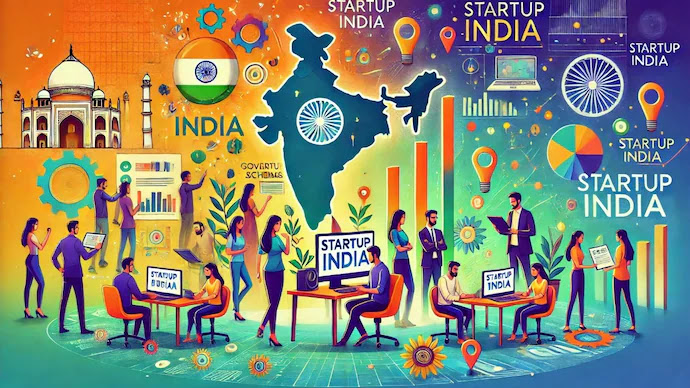
Government Schemes and Policies for Startups in India: Opportunities and Challenges/भारत सरकारच्या स्टार्टअपसाठीच्या योजना आणि धोरणे: नवउद्योजकांसाठी संधी आणि आव्हाने


📢 Government Schemes and Policies for Startups in India: Opportunities and Challenges 🚀🇮🇳

🔖 Hashtags:

#StartupIndia #MSME #MakeInIndia #Entrepreneurship #DigitalIndia #IndianEconomy #Innovation #BusinessGrowth


🔹 Introduction

India’s startup ecosystem has seen tremendous growth over the past decade. The Startup India Initiative, launched in 2016, has played a crucial role in supporting new entrepreneurs by providing financial aid, simplifying regulations, and offering tax benefits.

In this article, we will explore the key government schemes and policies that empower startups in India, along with their benefits and challenges.


🔹 Key Government Schemes for Startups

1️⃣ Startup India Initiative 🚀

📌 Launch Year: January 16, 2016
📌 Why was it introduced?
➡ To support new entrepreneurs
➡ To provide financial assistance to startups
➡ To simplify regulatory processes and encourage innovation

📌 Key Features:
3-year tax exemption for eligible startups
Fast-track patent application process with up to 80% fee reduction
Fund of Funds (FoF) Scheme with a ₹10,000 crore investment

🔗 More Information: Startup India Official Website


2️⃣ Pradhan Mantri Mudra Yojana (PMMY) 🏦

📌 Launch Year: April 8, 2015
📌 Who is it for?
➡ Micro, Small, and Medium Enterprises (MSMEs)
➡ Women entrepreneurs and first-time business owners

📌 Key Features:
Three loan categories:

  • Shishu Loan – Up to ₹50,000
  • Kishor Loan – ₹50,000 to ₹5 lakh
  • Tarun Loan – ₹5 lakh to ₹10 lakh

No collateral required for loan approval
✔ Helps small businesses scale and grow

🔗 More Information: Mudra Yojana Official Website


3️⃣ Stand-Up India Scheme 👩‍💼👨‍💼

📌 Launch Year: April 5, 2016
📌 Who is it for?
➡ Entrepreneurs from Scheduled Castes (SC), Scheduled Tribes (ST), and Women entrepreneurs

📌 Key Features:
✔ Loans ranging from ₹10 lakh to ₹1 crore
✔ Financial support for new business ventures
✔ 7-year repayment period with a moratorium of up to 18 months

🔗 More Information: Stand-Up India Official Website


4️⃣ Make In India 🏭🇮🇳

📌 Launch Year: 2014
📌 Who is it for?
➡ Startups in the manufacturing and production sector

📌 Key Features:
✔ Encourages investment in manufacturing
✔ Supports foreign companies to set up production in India
✔ Focuses on 25 key industrial sectors

🔗 More Information: Make In India Official Website


5️⃣ Atal Innovation Mission (AIM) 💡

📌 Launch Year: 2016
📌 Who is it for?
➡ Startups focused on research and innovation

📌 Key Features:
AIM Incubators provide startup mentoring and support
ATAL Tinkering Labs set up innovation labs in schools
✔ Government-private sector funding for promising startups

🔗 More Information: NITI Aayog AIM Website


6️⃣ Digital India Mission 📡

📌 Launch Year: July 1, 2015
📌 Who is it for?
➡ Digital startups and IT-based companies

📌 Key Features:
✔ Supports digital payment infrastructure
✔ Simplifies online business registrations and processes
✔ Enhances digital connectivity in rural and urban areas

🔗 More Information: Digital India Official Website


🔹 Impact of Government Policies on Startups

Easier access to capital for new startups
Tax benefits reduce the financial burden on early-stage businesses
Encouragement for research and development in emerging fields
Growth of MSME sector through easier loan availability


🔹 Challenges Faced by Startups in India

Lack of investment: Many startups struggle to secure funding in their early stages.
High competition: Startups face tough competition from large, established businesses.
Regulatory challenges: Some industries still require complex licensing and approvals.


🔹 Conclusion

📌 The Indian government has introduced several startup-friendly schemes, such as Startup India, Mudra Yojana, Digital India, and Make In India, which help entrepreneurs turn their ideas into successful businesses.
📌 By choosing the right scheme and utilizing available benefits, startups can scale faster and achieve long-term success.

💬 What more should be done to support startups in India? Share your thoughts in the comments below! ⬇️


🔗 For More Information:
Startup India Portal
Digital India Website
Mudra Loan Yojana

📢 If you found this article helpful, share it with aspiring entrepreneurs and let’s build a stronger startup ecosystem in India! 🚀

📢 भारत सरकारच्या स्टार्टअपसाठीच्या योजना आणि धोरणे: नवउद्योजकांसाठी संधी आणि आव्हाने 🚀🇮🇳

🔖 हॅशटॅग्स:

#StartupIndia #MSME #MakeInIndia #Entrepreneurship #DigitalIndia #IndianEconomy #Innovation #BusinessGrowth


🔹 परिचय

भारतात स्टार्टअप संस्कृती झपाट्याने वाढत आहे. 2016 मध्ये सुरू झालेल्या स्टार्टअप इंडिया मोहिमेने अनेक तरुण उद्योजकांना नवकल्पना विकसित करण्यासाठी मोठ्या प्रमाणात पाठिंबा दिला. भारत सरकारने स्टार्टअप्ससाठी विविध योजना आणि धोरणे आखली आहेत, जी नवउद्योजकांना आर्थिक आणि धोरणात्मक पाठबळ देतात.

या लेखात आपण भारत सरकारच्या स्टार्टअपसाठीच्या महत्त्वाच्या योजनांचा आणि धोरणांचा सविस्तर आढावा घेणार आहोत.


🔹 भारत सरकारच्या स्टार्टअप्ससाठी प्रमुख योजना

1️⃣ स्टार्टअप इंडिया मोहीम (Startup India Initiative) 🚀

📌 लॉन्च वर्ष: 16 जानेवारी 2016
📌 हे का सुरू करण्यात आले?
➡ नवउद्योजकांना पाठबळ देण्यासाठी
➡ स्टार्टअप्सना निधी मिळविण्यास मदत करण्यासाठी
➡ नवीन व्यवसायांसाठी आवश्यक परवाने आणि प्रक्रियेतील अडथळे दूर करण्यासाठी

📌 मुख्य वैशिष्ट्ये:
✔ स्टार्टअप्ससाठी ३ वर्षांपर्यंत करसवलत
✔ पेटंट अर्जांसाठी फास्ट-ट्रॅक प्रोसेस आणि सवलती
‘फंड ऑफ फंड्स’ (Fund of Funds) अंतर्गत ₹10,000 कोटींची गुंतवणूक

🔗 अधिक माहिती: Startup India Official Website


2️⃣ मुद्रा योजना (Pradhan Mantri Mudra Yojana - PMMY) 🏦

📌 लॉन्च वर्ष: 8 एप्रिल 2015
📌 हे कोणासाठी आहे?
➡ सूक्ष्म, लघु आणि मध्यम उद्योग (MSME)
➡ महिला उद्योजक आणि नवउद्योजक

📌 मुख्य वैशिष्ट्ये:
3 प्रकारचे कर्ज उपलब्ध:

  • शिशु लोन – ₹50,000 पर्यंत
  • किशोर लोन – ₹50,000 ते ₹5 लाख
  • तरुण लोन – ₹5 लाख ते ₹10 लाख

कोणतीही गहाण ठेव (Collateral Free Loan) आवश्यक नाही
✔ छोटे व्यवसाय सुरू करण्यासाठी आर्थिक मदत

🔗 अधिक माहिती: Mudra Yojana Official Website


3️⃣ स्टँड-अप इंडिया योजना (Stand-Up India Scheme) 👩‍💼👨‍💼

📌 लॉन्च वर्ष: 5 एप्रिल 2016
📌 हे कोणासाठी आहे?
➡ अनुसूचित जाती (SC), अनुसूचित जमाती (ST) आणि महिला उद्योजक

📌 मुख्य वैशिष्ट्ये:
✔ ₹10 लाख ते ₹1 कोटीपर्यंत कर्ज उपलब्ध
✔ व्यवसाय सुरू करण्यासाठी मदत
✔ 7 वर्षांपर्यंत कर्ज परतफेडीची सुविधा

🔗 अधिक माहिती: Stand-Up India Official Website


4️⃣ मेक इन इंडिया (Make In India) 🏭🇮🇳

📌 लॉन्च वर्ष: 2014
📌 हे कोणासाठी आहे?
➡ उत्पादन आणि उत्पादन क्षेत्रातील स्टार्टअप्स

📌 मुख्य वैशिष्ट्ये:
✔ उत्पादन क्षेत्रातील गुंतवणुकीला चालना
✔ परदेशी कंपन्यांसाठी भारतात गुंतवणुकीस प्रोत्साहन
✔ 25 प्रमुख क्षेत्रांमध्ये प्रोत्साहन

🔗 अधिक माहिती: Make In India Official Website


5️⃣ अटल इनोव्हेशन मिशन (Atal Innovation Mission - AIM) 💡

📌 लॉन्च वर्ष: 2016
📌 हे कोणासाठी आहे?
➡ नवीन संशोधन करणारे स्टार्टअप्स आणि नवकल्पना विकसित करणारे उद्योजक

📌 मुख्य वैशिष्ट्ये:
AIM Incubators: स्टार्टअप्ससाठी सहाय्य केंद्र
ATAL Tinkering Labs: शाळांमध्ये नवीन संशोधनासाठी प्रयोगशाळा
✔ सरकारी आणि खाजगी क्षेत्राच्या भागीदारीतून निधी

🔗 अधिक माहिती: NITI Aayog AIM Website


6️⃣ डिजिटल इंडिया मोहीम (Digital India Mission) 📡

📌 लॉन्च वर्ष: 1 जुलै 2015
📌 हे कोणासाठी आहे?
➡ डिजिटल स्टार्टअप्स आणि IT कंपन्या

📌 मुख्य वैशिष्ट्ये:
✔ डिजिटल पेमेंट प्रणालीसाठी समर्थन
✔ ऑनलाइन स्टार्टअप्ससाठी सरकारी सेवा सुलभता
✔ ग्रामीण आणि शहरी भागातील डिजिटल विकास

🔗 अधिक माहिती: Digital India Official Website


🔹 स्टार्टअप्ससाठी भारत सरकारच्या धोरणांचा प्रभाव

नवीन स्टार्टअप्सना भांडवल मिळणे सोपे झाले आहे.
करसवलतीमुळे स्टार्टअप्ससाठी आरंभीचे खर्च कमी झाले आहेत.
संशोधन आणि विकासासाठी सरकारी प्रोत्साहन मिळत आहे.
MSME क्षेत्राला मोठी चालना मिळाली आहे.


🔹 स्टार्टअप्ससाठी भारतात येणारी आव्हाने

गुंतवणुकीची कमतरता: नवीन स्टार्टअप्सना सुरुवातीला मोठ्या प्रमाणात भांडवलाची आवश्यकता असते.
मार्केट स्पर्धा: मोठ्या कंपन्यांशी स्पर्धा करणे स्टार्टअप्ससाठी कठीण आहे.
अंतर्गत प्रक्रिया आणि परवानग्या: अजूनही काही उद्योगांसाठी परवानग्यांची प्रक्रिया क्लिष्ट आहे.


🔹 निष्कर्ष

📌 भारत सरकारच्या स्टार्टअपसाठीच्या योजना आणि धोरणे नवउद्योजकांसाठी मोठी संधी उपलब्ध करून देत आहेत.
📌 Startup India, Mudra Yojana, Digital India, Make In India यासारख्या योजनांमुळे स्टार्टअप्सना अधिक मदत मिळत आहे.
📌 यशस्वी उद्योजक होण्यासाठी योग्य योजना निवडून त्याचा लाभ घेणे महत्त्वाचे आहे.

तुमच्या मते भारतातील स्टार्टअप्सना आणखी कोणत्या सुविधा मिळायला हव्यात? तुमचे मत खाली कॉमेंटमध्ये शेअर करा! ⬇️


🔗 अधिक माहितीसाठी:
Startup India Portal
Digital India Website
Mudra Loan Yojana

📢 जर हा लेख उपयुक्त वाटला असेल, तर तो तुमच्या मित्रांसोबत शेअर करा आणि आपल्या स्टार्टअप प्रवासाला सुरुवात करा! 🚀

Wednesday, February 5, 2025

Central Bank Digital Currency (CBDC) in India: Opportunities, Challenges, and Future Prospects/📢 "भारतातील सेंट्रल बँक डिजिटल चलन (CBDC): संधी, आव्हाने आणि भविष्यातील दिशा" 💰📱


The financial landscape is undergoing a significant transformation with the advent of Central Bank Digital Currencies (CBDCs). India, aligning with this global shift, has introduced its own CBDC, known as the Digital Rupee (e₹). This article delves into the concept of CBDCs, the specifics of India's Digital Rupee, its potential benefits, challenges, and the road ahead.


Understanding Central Bank Digital Currency (CBDC)

A Central Bank Digital Currency (CBDC) is a digital form of a country's sovereign currency, issued and regulated by the central bank. Unlike cryptocurrencies, CBDCs are centralized and represent a direct claim on the central bank, ensuring trust and stability. They are designed to complement physical cash and aim to provide a secure and efficient means of payment.


India's Digital Rupee: An Overview

The Reserve Bank of India (RBI) has introduced the Digital Rupee (e₹) as its official CBDC. According to the Indian Banks' Association, the Digital Rupee is the electronic version of our currency, which can be used to carry out transactions or store value digitally, similar to the manner in which physical currency is used.

The Digital Rupee is designed to offer features akin to physical cash, such as trust, safety, and settlement finality, but in a digital format. It represents a direct claim on the central bank and is exchangeable one-to-one with existing currency.


Potential Benefits of the Digital Rupee

  1. Enhanced Financial Inclusion

    • The Digital Rupee can facilitate access to financial services for unbanked and underbanked populations, especially in remote areas, by providing a digital payment solution that requires minimal infrastructure.
  2. Reduced Transaction Costs

    • By eliminating intermediaries, the Digital Rupee can lower transaction costs, making payments more affordable for individuals and businesses.
  3. Improved Monetary Policy Implementation

    • CBDCs enable central banks to monitor money flow in real-time, allowing for precise policy measures and better control over the money supply.
  4. Enhanced Payment Efficiency

    • The Digital Rupee offers instant transaction settlements, reducing the time and costs associated with clearing and settlement processes.
  5. Countering Illicit Activities

    • With traceable transactions, the Digital Rupee can help in combating money laundering and other illicit financial activities by providing greater transparency.

Challenges and Considerations

  1. Cybersecurity Risks

    • The digital nature of CBDCs makes them susceptible to cyber threats. Ensuring robust security measures is paramount to prevent breaches and maintain public trust.
  2. Privacy Concerns

    • While transaction traceability aids in preventing illicit activities, it also raises concerns about user privacy. Balancing transparency with individual privacy rights is crucial.
  3. Technological Infrastructure

    • Implementing the Digital Rupee requires a resilient and scalable technological infrastructure to handle large volumes of transactions efficiently.
  4. Public Adoption

    • Encouraging widespread adoption involves educating the public about the benefits and usage of the Digital Rupee, addressing skepticism, and ensuring user-friendly platforms.
  5. Impact on Traditional Banking

    • The introduction of CBDCs could disrupt traditional banking models, affecting deposit mobilization and the role of banks in the financial system.

Global Perspective on CBDCs

Globally, numerous countries are exploring or have implemented CBDCs. According to the Atlantic Council's CBDC Tracker, as of September 2024, 130 countries, representing 98% of global GDP, are exploring a CBDC. 19 of the G20 countries are in the advanced stage of CBDC development.


The Road Ahead for India's Digital Rupee

The successful implementation of the Digital Rupee hinges on careful planning and execution. Key steps include:

  1. Pilot Programs

    • Conducting pilot programs to test the Digital Rupee in real-world scenarios, gather feedback, and make necessary adjustments.
  2. Stakeholder Collaboration

    • Engaging with financial institutions, technology providers, and other stakeholders to build a robust ecosystem for the Digital Rupee.
  3. Regulatory Framework

    • Establishing clear regulations to govern the issuance, distribution, and usage of the Digital Rupee, ensuring compliance and security.
  4. Public Awareness Campaigns

    • Launching initiatives to educate the public about the Digital Rupee, its benefits, and how to use it safely.
  5. Continuous Monitoring and Improvement

    • Regularly assessing the performance of the Digital Rupee system and making improvements to address emerging challenges and technological advancements.

In conclusion, the Digital Rupee represents a significant step forward in India's financial evolution. While it offers numerous benefits, careful consideration of the associated challenges is essential to ensure its successful adoption and integration into the economy.


#DigitalRupee #CBDCIndia #Fintech #DigitalEconomy #FutureOfFinance


परिचय

जगभरातील अर्थव्यवस्था डिजिटल व्यवहाराकडे झुकत आहे आणि त्याचा परिणाम म्हणून सेंट्रल बँक डिजिटल चलन (CBDC) संकल्पना समोर आली आहे. भारतीय रिझर्व्ह बँक (RBI) नेही आपला डिजिटल रुपया (e₹) सादर केला आहे, जो भविष्यातील आर्थिक व्यवहारांचा महत्त्वाचा भाग ठरू शकतो.

या लेखात आपण चर्चा करू:
CBDC म्हणजे काय आणि ते पारंपरिक चलनापेक्षा कसे वेगळे आहे?
डिजिटल रुपयाचे फायदे आणि त्याचा भारतीय अर्थव्यवस्थेवर होणारा प्रभाव
CBDC आणि क्रिप्टोकरन्सी यामधील फरक
CBDC वापरण्याचे मुख्य आव्हाने आणि सायबर सुरक्षेचे प्रश्न
CBDC भारतीय नागरिक आणि उद्योगांसाठी किती फायदेशीर ठरू शकते?


CBDC म्हणजे काय?

CBDC म्हणजे सेंट्रल बँकेकडून जारी केलेले अधिकृत डिजिटल चलन. हे सामान्य नोटांप्रमाणेच कायदेशीर मान्यता प्राप्त चलन असते, पण ते फक्त डिजिटल स्वरूपात उपलब्ध असते.

CBDC आणि पारंपरिक चलनातील मुख्य फरक:

घटकपारंपरिक चलन (रुपया)डिजिटल रुपया (CBDC)
स्वरूपकागदी नोटा, नाणीडिजिटल टोकन
जारीकर्तारिझर्व्ह बँक ऑफ इंडिया (RBI)रिझर्व्ह बँक ऑफ इंडिया (RBI)
व्यवहाराचा प्रकाररोख स्वरूपातील व्यवहारडिजिटल व्यवहार
बँकेच्या परवानगीची आवश्यकतानाहीहोय
सुरक्षितताचोरीची शक्यतामजबूत सायबर सुरक्षा उपाय

CBDC चे फायदे

1. रोकडविरहित अर्थव्यवस्था आणि सोपे व्यवहार

➡ डिजिटल रुपयामुळे कॅशलेस व्यवहार अधिक वेगवान आणि सोपे होतील.
➡ कोणत्याही आर्थिक व्यवहारासाठी स्मार्टफोन आणि इंटरनेटचा वापर करून सहज व्यवहार करता येऊ शकतात.

2. पारदर्शकता आणि आर्थिक समावेशन

➡ सर्व व्यवहारांचे डिजिटल रेकॉर्ड असल्याने भ्रष्टाचार आणि काळ्या पैशाला आळा बसेल.
ग्रामीण भागात आणि बँकेच्या सेवा न पोहोचलेल्या लोकांना अधिक आर्थिक सुविधा उपलब्ध होतील.

3. झीरो ट्रांझॅक्शन फी

➡ UPI किंवा डेबिट-क्रेडिट कार्डच्या तुलनेत, CBDC मध्ये कमी शुल्क किंवा शून्य शुल्कावर व्यवहार करता येऊ शकतो.

4. चलन छपाईवरील खर्च कमी होणार

➡ कागदी नोटा छापण्यासाठी होणारा मोठा खर्च वाचेल आणि डिजिटल व्यवस्थापन शक्य होईल.


CBDC आणि क्रिप्टोकरन्सी यातील फरक

मुद्दाCBDC (डिजिटल रुपया)क्रिप्टोकरन्सी (Bitcoin, Ethereum)
जारीकर्ताभारतीय रिझर्व्ह बँक (RBI)कोणतेही नियंत्रण नाही, ब्लॉकचेनद्वारे व्यवस्थापन
कायदेशीर मान्यताहोयबहुतेक ठिकाणी नाही
स्थिरतासरकारच्या नियंत्रणाखालीकिमतीत मोठ्या प्रमाणात चढउतार
व्यवहाराचा वेगवेगवान आणि अधिक सुरक्षितअनियमित आणि धीमे व्यवहार

CBDC च्या अंमलबजावणीतील प्रमुख आव्हाने

सायबर हल्ले आणि गोपनीयतेचा प्रश्न – डिजिटल व्यवहार असल्याने सायबर सुरक्षेची मोठी जबाबदारी सरकारवर असेल.
तांत्रिक अडचणी आणि सर्वसामान्य नागरिकांची स्वीकारण्याची तयारी – भारतातील काही भागांत अजूनही इंटरनेट कनेक्टिव्हिटी समस्या आहेत.
बँकिंग क्षेत्रावर प्रभाव – जर डिजिटल रुपया लोक थेट वापरू लागले, तर बँकांमध्ये ठेवी कमी होतील आणि त्याचा पतपुरवठ्यावर परिणाम होईल.


CBDC भारतीय नागरिकांसाठी कसा फायद्याचा ठरेल?

नोकरदार वर्गासाठी – त्वरित पगार आणि थेट बँक खात्यात जमा.
व्यापाऱ्यांसाठी – रोकडविरहित व्यवहार आणि कमी ट्रांझॅक्शन शुल्क.
शेतकऱ्यांसाठी – थेट सबसिडी व मदतशुल्क जमा होण्यास मदत.
विद्यार्थ्यांसाठी – शिक्षण कर्ज, शिष्यवृत्ती थेट डिजिटल स्वरूपात उपलब्ध.


भविष्यातील संधी आणि पुढील दिशा

सरकारी योजना आणि सबसिडी अधिक पारदर्शक होतील.
क्रॉस-बॉर्डर पेमेंट्स अधिक वेगवान होतील, जे व्यापार आणि गुंतवणुकीसाठी फायदेशीर ठरेल.
डिजिटल इंडिया मोहिमेला मोठी चालना मिळेल.


निष्कर्ष

CBDC हा भारतीय अर्थव्यवस्थेचा भविष्यकाळ ठरणार आहे. यामुळे अधिक पारदर्शक, वेगवान आणि सुरक्षित डिजिटल व्यवहार शक्य होतील. पण सायबर सुरक्षेसारख्या तांत्रिक आणि प्रशासकीय आव्हानांवर मात करणे महत्त्वाचे ठरेल.

डिजिटल रुपयाविषयी तुमचे काय मत आहे? तुम्हाला असे वाटते का की हे भारतातील आर्थिक परिवर्तन घडवून आणू शकेल? तुमच्या प्रतिक्रिया खाली शेअर करा! 💬👇

#डिजिटलरुपया #CBDCIndia #फिनटेक #डिजिटलअर्थव्यवस्था #आर्थिकभविष्य


Sunday, February 2, 2025

Decoding India's Union Budget 2025-26: Comprehensive Analysis of Income Tax Reforms and Their Impact on Salaried Individuals/केंद्रीय अर्थसंकल्प 2025-26: पगारदार कर्मचाऱ्यांसाठी आयकर सुधारणा आणि त्यांचा प्रभाव


The Union Budget 2025-26, unveiled on February 1, 2025, by Finance Minister Nirmala Sitharaman, has introduced significant reforms, particularly in the realm of personal income tax. These changes aim to stimulate economic growth, provide relief to the middle class, and simplify the tax structure. This comprehensive analysis delves into the benefits and potential drawbacks of the budget, offers a detailed examination of the revised income tax slabs, and provides insights on how salaried individuals can navigate and benefit from these changes.


Key Highlights of the Union Budget 2025-26

1. Personal Income Tax Reforms

  • Increased Rebate Limit: The income tax rebate under Section 87A has been increased from ₹7 lakh to ₹12 lakh in the new tax regime. This means individuals with an annual income up to ₹12 lakh will not have to pay any income tax.

  • Revised Tax Slabs: The budget introduces new tax slabs with reduced rates, aiming to simplify the tax structure and increase disposable income for taxpayers.

2. Support for Startups

  • Extended Tax Holiday: Startups incorporated before April 1, 2030, are eligible for a 10-year tax holiday, encouraging innovation and entrepreneurship.

3. Customs Duty Reductions

  • Electronics and EV Components: Basic customs duty on components used in manufacturing LCD and LED panels has been reduced to 5%. Additionally, there is no basic customs duty on 35 capital goods for EV batteries and 28 capital goods for mobile phone batteries, promoting domestic manufacturing.

Benefits of the Budget

1. Relief for the Middle Class

  • Increased Disposable Income: The revised tax slabs and increased rebate limit are expected to leave more money in the hands of the middle class, boosting consumption and savings.

  • Simplification of Tax Structure: The new tax regime offers a more straightforward tax structure, making it easier for individuals to understand and comply with tax regulations.

2. Encouragement for Startups

  • Tax Incentives: The extended tax holiday for startups is likely to foster innovation and attract more entrepreneurs to establish new ventures, contributing to economic growth.

3. Promotion of Domestic Manufacturing

  • Reduced Production Costs: Lower customs duties on electronic and EV components are expected to reduce production costs, making domestically manufactured products more competitive.

Potential Drawbacks

1. Limited Structural Reforms

  • Short-Term Focus: While the budget provides immediate relief through tax cuts, it lacks significant structural reforms necessary for long-term economic growth, such as strategies to boost job creation and wage growth.

2. Revenue Implications

  • Fiscal Deficit Concerns: The substantial tax cuts may lead to a revenue shortfall, potentially impacting government spending on infrastructure and social programs.

Detailed Analysis of Income Tax Slabs

The Union Budget 2025-26 has introduced a revised income tax structure under the new tax regime. Below is a detailed breakdown of the updated income tax slabs:

Annual Income (₹)Tax Rate
Up to 5,00,000Nil
5,00,001 to 7,50,0005%
7,50,001 to 10,00,00010%
10,00,001 to 12,50,00015%
12,50,001 to 15,00,00020%
Above 15,00,00025%

For salaried individuals, a standard deduction of ₹75,000 is applicable. This means that individuals with an annual income up to ₹12.75 lakh will not have to pay any income tax.

Example Calculations:

  1. Annual Income: ₹10,00,000

    • Standard Deduction: ₹75,000

    • Taxable Income: ₹10,00,000 - ₹75,000 = ₹9,25,000

    • Tax Calculation:

      • Income up to ₹5,00,000: Nil

      • Income from ₹5,00,001 to ₹7,50,000: 5% of ₹2,50,000 = ₹12,500

      • Income from ₹7,50,001 to ₹9,25,000: 10% of ₹1,75,000 = ₹17,500

    • Total Tax Payable: ₹12,500 + ₹17,500 = ₹30,000

  2. Annual Income: ₹15,00,000

    • Standard Deduction: ₹75,000

    • Taxable Income: ₹15,00,000 - ₹75,000 = ₹14,25,000

    • Tax Calculation:

      • Income up to ₹5,00,000: Nil

      • Income from ₹5,00,001 to ₹7,50,000: 5% of ₹2,50,000 = ₹12,500

      • Income from ₹7,50,001 to ₹10,00,000: 10% of ₹2,50,000 = ₹25,000


#IndiaBudget2025 #IncomeTaxReforms #SalariedEmployees #TaxPlanning #EconomicGrowth

केंद्रीय अर्थसंकल्प 2025-26, 1 फेब्रुवारी 2025 रोजी अर्थमंत्री निर्मला सीतारमण यांनी सादर केला, ज्यामध्ये वैयक्तिक आयकर क्षेत्रात महत्त्वपूर्ण सुधारणा करण्यात आल्या आहेत. या बदलांचा उद्देश आर्थिक विकासाला चालना देणे, मध्यमवर्गीयांना दिलासा देणे आणि कर संरचना सुलभ करणे आहे. या लेखात, बजेटमधील फायदे आणि तोटे, सुधारित आयकर स्लॅब्सची तपशीलवार माहिती, आणि पगारदार व्यक्तींनी या बदलांचा कसा लाभ घ्यावा याबद्दल चर्चा करू.


केंद्रीय अर्थसंकल्प 2025-26: मुख्य ठळक मुद्दे

1. वैयक्तिक आयकर सुधारणा

  • करमुक्त उत्पन्नाची मर्यादा वाढविली: नवीन कर प्रणाली अंतर्गत, वार्षिक ₹12 लाखांपर्यंतचे उत्पन्न करमुक्त करण्यात आले आहे. स्टँडर्ड कपातीसह, ही मर्यादा ₹12.75 लाखांपर्यंत जाते, ज्यामुळे मध्यमवर्गीय करदात्यांना लक्षणीय दिलासा मिळतो.

  • आयकर स्लॅब्समध्ये बदल: कर संरचना सुलभ करण्यासाठी आणि करदात्यांच्या हातात अधिक उत्पन्न राहण्यासाठी नवीन कर स्लॅब्स सादर करण्यात आले आहेत.

2. स्टार्टअप्सना प्रोत्साहन

  • कर सवलतींचा विस्तार: 1 एप्रिल 2030 पूर्वी नोंदणीकृत स्टार्टअप्सना 10 वर्षांची कर सवलत दिली जाईल, ज्यामुळे नवउद्यमशीलतेला चालना मिळेल.

3. सीमाशुल्क कपात

  • इलेक्ट्रॉनिक्स आणि ईव्ही घटकांवर: एलसीडी आणि एलईडी पॅनेल्सच्या उत्पादनासाठी लागणाऱ्या घटकांवरील मूलभूत सीमाशुल्क 5% पर्यंत कमी करण्यात आले आहे. तसेच, ईव्ही बॅटरी आणि मोबाइल फोन बॅटरीसाठी लागणाऱ्या 35 आणि 28 भांडवली वस्तूंवरील मूलभूत सीमाशुल्क पूर्णपणे हटविण्यात आले आहे, ज्यामुळे देशांतर्गत उत्पादनाला चालना मिळेल.

बजेटचे फायदे

1. मध्यमवर्गीयांसाठी दिलासा

  • वाढलेले उत्पन्न: सुधारित कर स्लॅब्स आणि करमुक्त उत्पन्नाची मर्यादा वाढल्यामुळे, मध्यमवर्गीयांच्या हातात अधिक उत्पन्न राहील, ज्यामुळे उपभोग आणि बचत वाढेल.

  • कर संरचनेची सुलभता: नवीन कर प्रणाली अधिक सोपी आहे, ज्यामुळे करदात्यांना कर नियम समजणे आणि पालन करणे सोपे होईल.

2. स्टार्टअप्सना प्रोत्साहन

  • कर सवलती: कर सवलतींचा विस्तार नवउद्यमशीलतेला चालना देईल आणि नवीन उद्योजकांना त्यांच्या उपक्रमांची स्थापना करण्यास प्रोत्साहित करेल, ज्यामुळे आर्थिक विकासाला हातभार लागेल.

3. देशांतर्गत उत्पादनाला चालना

  • उत्पादन खर्चात कपात: इलेक्ट्रॉनिक्स आणि ईव्ही घटकांवरील सीमाशुल्क कपातीमुळे उत्पादन खर्च कमी होईल, ज्यामुळे देशांतर्गत उत्पादने अधिक स्पर्धात्मक होतील.

संभाव्य तोटे

1. संरचनात्मक सुधारांची कमतरता

  • दीर्घकालीन धोरणांचा अभाव: बजेटमध्ये तात्काळ दिलासा देणाऱ्या उपायांवर भर देण्यात आला असला तरी, दीर्घकालीन आर्थिक विकासासाठी आवश्यक असलेल्या संरचनात्मक सुधारांचा अभाव आहे, जसे की रोजगार निर्मिती आणि वेतनवाढीसाठी धोरणे.

2. महसुली तूट

  • राजकोषीय तुटीची चिंता: लक्षणीय कर कपातीमुळे महसुली तूट होण्याची शक्यता आहे, ज्यामुळे पायाभूत सुविधा आणि सामाजिक कार्यक्रमांवरील सरकारी खर्चावर परिणाम होऊ शकतो.

आयकर स्लॅब्सची तपशीलवार माहिती

केंद्रीय अर्थसंकल्प 2025-26 मध्ये नवीन कर प्रणाली अंतर्गत सुधारित आयकर स्लॅब्स सादर करण्यात आले आहेत. खाली त्यांची तपशीलवार माहिती दिली आहे:

वार्षिक उत्पन्न (₹)कर दर
₹5,00,000 पर्यंतशून्य
₹5,00,001 ते ₹7,50,0005%
₹7,50,001 ते ₹10,00,00010%
₹10,00,001 ते ₹12,50,00015%
₹12,50,001 ते ₹15,00,00020%
₹15,00,000 पेक्षा जास्त25%

पगारदार व्यक्तींसाठी, ₹75,000 ची स्टँडर्ड कपात लागू आहे. यामुळे, वार्षिक ₹12.75 लाखांपर्यंतचे उत्पन्न असलेल्या व्यक्तींना कोणताही आयकर भरावा लागणार नाही.

केंद्रीय अर्थसंकल्प 2025-26: पगारदार कर्मचाऱ्यांसाठी आयकर सुधारणा आणि त्यांचा प्रभाव

भारत सरकार प्रत्येक वर्षी आपल्या केंद्रीय अर्थसंकल्पाद्वारे देशाच्या आर्थिक धारा ठरवते. 2025-26 च्या केंद्रीय अर्थसंकल्पात पगारदार कर्मचाऱ्यांसाठी काही महत्त्वाच्या आयकर सुधारणा करण्यात आलेल्या आहेत. या सुधारणा पगारदार वर्गावर काय परिणाम करतील, ते समजून घेण्यासाठी, आपल्याला या बदलांचा सखोल विचार करावा लागेल.

१. आयकर स्लॅब्समध्ये सुधारणा

सध्या, भारतातील आयकर स्लॅब्स त्याचप्रमाणे आहेत, परंतु केंद्रीय अर्थसंकल्प 2025-26 मध्ये पगारदार कर्मचाऱ्यांसाठी काही सुधारणा प्रस्तावित केल्या आहेत. यामध्ये मुख्यत्वे पगारदार वर्गाला अधिक लाभ मिळावा, यासाठी आयकर स्लॅब्सची पुनर्रचना केली जाण्याची शक्यता आहे. यामुळे पगारदारांना कमी कर भरणे लागेल, ज्यामुळे त्यांच्या मासिक बजेटवर सकारात्मक प्रभाव पडेल.

२. कर मुक्तीची मर्यादा वाढवणे

केंद्र सरकारने कर मुक्तीच्या मर्यादेत वाढ करण्याचा प्रस्ताव ठेवला आहे. यामुळे पगारदारांना अधिक कर-मुक्त उत्पन्न मिळेल. हे सुधारणा आर्थिकदृष्ट्या मध्यमवर्गीय लोकांसाठी अत्यंत फायदेशीर ठरतील. जे लोक दरवर्षी 5 लाख रुपयांपर्यंत उत्पन्न मिळवतात, त्यांना आयकरात सूट मिळण्याची शक्यता आहे.

३. नोकरीच्या पगारावर करात सुधारणा

केंद्र सरकारने नोकरीसाठी घेण्यात येणाऱ्या पगारावर आयकर सुधारण्याचा प्रस्ताव ठेवला आहे. यामुळे, त्यांचा निव्वळ पगार वाढेल आणि कर्मचारी अधिक खरेदी करण्यास सक्षम होतील. याचे सकारात्मक परिणाम उपभोक्तावाद आणि देशातील उत्पादन क्षेत्रावर पडू शकतात.

४. अधिक वजावट योग्य खर्चांची परवानगी

पगारदार कर्मचाऱ्यांसाठी कर-वजावट आणखी वाढवण्याची संधी निर्माण होऊ शकते. यामध्ये शैक्षणिक खर्च, आरोग्य खर्च, गृहकर्ज व्याज वगैरे संबंधित वजावटांचा समावेश होईल. यामुळे कर्मचाऱ्यांना अधिक आर्थिक गती मिळेल आणि त्यांना त्यांच्या दैनंदिन गरजा पूर्ण करण्यास मदत होईल.

५. कर्मचाऱ्यांसाठी सुरक्षितता निधीची तरतूद

कर्मचाऱ्यांसाठी एक चांगली सुरक्षितता निधी तयार करण्यासाठी सरकारच्या पॅकेजची घोषणा होईल. यामुळे त्यांना संकटाच्या काळात अधिक सुरक्षितता मिळू शकेल. आयकराच्या आधारे सुरक्षितता योजनांचा लाभ घेणाऱ्यांना अधिक फायदा होईल.

६. कर्मचारी कल्याणासाठी योजनांची सुसंगतता

आयकर सुधारणा, कर्मचारी कल्याण आणि समृद्धीच्या दृष्टीने यशस्वी ठराव्यात. सरकार कर्मचारी कल्याणासाठी विविध योजनांची सुसंगतता आणण्यासाठी प्रयत्नशील राहील. यामध्ये वृद्धत्व निवारण, सामाजिक सुरक्षा योजनांचा विस्तार, आणि परिवारासाठी आरोग्य सेवा या सर्वांचा समावेश असेल.

७. कर्मचारी कल्याण निधीसाठी कर बचत योजना

केंद्र सरकारच्या योजनांमध्ये कर्मचारी कल्याण निधीवर कर बचत करण्यात मदत करणारे उपाय असू शकतात. यामुळे त्यांना आपल्या भविष्याची सुरक्षितता सुनिश्चित करण्यासाठी अधिक प्रोत्साहन मिळेल.

सुधारणांचा प्रभाव

  1. आर्थिक समृद्धी – पगारदार कर्मचाऱ्यांना अधिक खर्च करण्याची क्षमता मिळेल, ज्यामुळे आर्थिक वाढीला चालना मिळेल.
  2. मध्यमवर्गीयांवर सकारात्मक प्रभाव – कराच्या सुधारणा मध्यमवर्गीय लोकांसाठी फायद्याचे ठरतील.
  3. रोजगार व व्यवसाय वाढ – करमध्ये सुधारणा केल्याने रोजगार व व्यवसाय क्षेत्रावर सकारात्मक परिणाम होईल.
  4. समाजातील असमानतेला कमी करणे – वजावट आणि कर सवलतींमुळे समाजातील असमानता कमी होईल.

निष्कर्ष

केंद्रीय अर्थसंकल्प 2025-26 मध्ये पगारदार कर्मचाऱ्यांसाठी प्रस्तावित सुधारणा यांचा नक्कीच सकारात्मक परिणाम होईल. सरकारच्या या पावले समाजातील विविध वर्गांना प्रोत्साहित करतील आणि देशाच्या अर्थव्यवस्थेला मजबुती देईल.

#केंद्रीयअर्थसंकल्प2025 #आयकरसुधारणा #पगारदारकर्मचारी #करनियोजन #आर्थिकविकास


The Electric Vehicle Revolution in India: Future Prospects and Challenges / भारतामध्ये इलेक्ट्रिक वाहन क्रांती: भविष्यातील संभाव्यता आणि अडथळे


Introduction

In recent years, the electric vehicle (EV) revolution in India has gained significant momentum. Rising fuel prices, government incentives, and increasing environmental concerns have contributed to the growing popularity of EVs. Experts predict that by 2030, India will become a major hub for EV production and adoption.

However, this transition is not without its challenges, such as charging infrastructure, battery technology, and the initial cost of EVs. In this article, we will explore the opportunities and obstacles in India’s EV revolution.


1. How Did the EV Revolution in India Begin?

The Indian government launched the FAME (Faster Adoption and Manufacturing of Electric Vehicles) scheme in 2015 to promote EV adoption. Today, companies like Ola Electric, Tata Motors, Ather Energy, and Hero Electric are actively manufacturing and selling electric vehicles in India.

Key Milestones in India’s EV Growth:

🔹 2015 – Introduction of FAME 1 scheme
🔹 2019 – Launch of FAME 2, with a ₹10,000 crore budget
🔹 2021 – Entry of Ola Electric, Tata Nexon EV, and Mahindra EVs
🔹 2023 – Over 400,000 EVs sold in India


2. Opportunities in India’s EV Growth

i) Eco-Friendly and Cost-Effective Transport

EVs significantly reduce carbon emissions and are 30-50% cheaper to operate compared to petrol or diesel vehicles.
✅ As India faces severe air pollution, the shift to clean energy is crucial.

ii) Government Support and Policies

✅ The government offers subsidies, tax benefits, and incentives for EV buyers.
GST on EVs is only 5%, compared to 28% on petrol/diesel vehicles.

iii) Advancements in Technology and Local Manufacturing

Tata, Mahindra, and Ola Electric are increasing their local production.
✅ Research is being done to improve Lithium-Ion battery technology and introduce new alternatives.


3. Major Challenges in India’s EV Revolution

i) Lack of Charging Infrastructure

❌ India still lacks widespread charging stations, especially in rural areas.
❌ Without a robust network, long-distance EV travel remains challenging.

ii) High Battery Production Cost

Lithium-ion batteries are mostly imported, making EVs expensive.
❌ Recycling and battery lifespan remain major concerns.

iii) High Initial Purchase Cost

EV cars and scooters are still costly compared to traditional vehicles.
❌ Many potential buyers hesitate due to the high upfront investment.


4. Future Prospects of EVs in India

i) Expansion of Charging Infrastructure

✅ By 2025, India aims to set up over 100,000 public charging stations.
Solar-powered charging hubs are being developed to promote sustainable energy.

ii) New Battery Technologies

✅ Research on Solid-State Batteries and Sodium-Ion Batteries aims to lower costs.
✅ India is exploring domestic lithium reserves to reduce dependence on imports.

iii) Increased Investment and Policy Support

✅ By 2030, the government aims for 30% of all vehicle sales to be electric.
✅ Major companies are investing in R&D for battery efficiency and affordability.


5. India’s EV Revolution on the Global Stage

Comparison of India’s EV Market with Other Countries:

AspectIndiaUSAChinaEurope
EV Sales (2023)4.2 lakh+1.2 crore+2 crore+1.5 crore+
Charging Stations10,000+100,000+1.5 million+1.2 million+
Battery Manufacturing10% domestic60% imported75% domestic50% domestic

6. Conclusion – The Road Ahead for India’s EV Growth

➡ The EV revolution in India is accelerating, and by 2030, it will be a key player in the global market.
➡ The focus on charging infrastructure, battery production, and financial incentives will determine the pace of growth.
➡ To achieve a sustainable future, the combined efforts of government, industries, and consumers are essential.


Hashtags:

#EVRevolutionIndia #ElectricVehicles #GreenEnergy #SustainableMobility #EVCharging #FutureOfTransport #EcoFriendlyCars #CleanEnergy


Tags:

EV market trends, electric vehicle growth in India, charging station expansion, future of transportation, green energy revolution


भूमिका

गेल्या काही वर्षांत भारतात इलेक्ट्रिक वाहन (EV) क्रांती मोठ्या प्रमाणावर वाढत आहे. वाढती इंधन किंमत, पर्यावरणपूरक उपाययोजना, आणि सरकारचे प्रोत्साहन यामुळे इलेक्ट्रिक वाहने लोकप्रिय होत आहेत. 2030 पर्यंत भारत हा EV हब होईल असे तज्ज्ञांचे मत आहे.

परंतु, या क्रांतीस अनेक अडथळेही आहेत, जसे की चार्जिंग इन्फ्रास्ट्रक्चर, बॅटरी तंत्रज्ञान आणि सुरुवातीची गुंतवणूक. या लेखात आपण EV च्या संभाव्यता आणि अडथळ्यांचा सखोल अभ्यास करू.


1. भारतातील EV क्रांती कशी सुरू झाली?

भारत सरकारने FAME (Faster Adoption and Manufacturing of Electric Vehicles) योजनेद्वारे 2015 पासून इलेक्ट्रिक वाहन उद्योगाला चालना दिली. आज, Ola Electric, Tata Motors, Ather Energy, आणि Hero Electric यांसारख्या कंपन्या भारतीय बाजारात EVs सादर करत आहेत.

EV क्रांतीतील महत्त्वाचे टप्पे:

🔹 2015 – FAME 1 योजना सुरू
🔹 2019 – FAME 2 योजना मंजूर, EV साठी 10,000 कोटींची तरतूद
🔹 2021 – Ola Electric, Tata EVs बाजारात आले
🔹 2023 – 4 लाखांहून अधिक इलेक्ट्रिक वाहने विकली गेली


2. इलेक्ट्रिक वाहनांची वाढती लोकप्रियता – संधी काय आहेत?

i) पर्यावरणपूरक आणि स्वस्त प्रवास

✅ EVs मधून कार्बन उत्सर्जन कमी होते आणि हे इंधन वाहनांपेक्षा 30-50% स्वस्त आहेत.
✅ भारतात हवामान बदलाचा धोका लक्षात घेता, हरित ऊर्जा हा महत्त्वाचा मुद्दा ठरतो.

ii) सरकारची मदत आणि धोरणे

✅ सरकारकडून कर सवलत, सबसिडी आणि FAME योजना लागू आहेत.
GST फक्त 5% आहे, पेट्रोल-डिझेल गाड्यांपेक्षा कमी.

iii) नवीन तंत्रज्ञान आणि स्थानिक उत्पादन

Tata, Mahindra, Ola Electric सारख्या कंपन्या भारतातच उत्पादन वाढवत आहेत.
लिथियम-आयन बॅटरी संशोधनाला चालना दिली जात आहे.


3. भारतातील EV क्रांतीतील प्रमुख अडथळे

i) चार्जिंग स्टेशनची कमतरता

❌ भारतात अद्याप प्रत्येक 50-100 किमीवर चार्जिंग स्टेशन उपलब्ध नाही.
❌ गावी किंवा लहान शहरांत चार्जिंग सुविधा अत्यंत मर्यादित आहेत.

ii) बॅटरीचे महागडे उत्पादन

❌ लिथियम-आयन बॅटरी आयात करावी लागते, ज्यामुळे EV चे उत्पादन खर्च वाढतो.
❌ बॅटरीचे आयुष्य आणि रीसायकलिंग अजूनही मोठे आव्हान आहे.

iii) सुरुवातीचा जास्त खर्च

EV कार्स आणि स्कूटर्सच्या किंमती अद्याप जास्त आहेत.
❌ EV खरेदी करताना ग्राहकांना आर्थिक गुंतवणुकीचा मोठा विचार करावा लागतो.


4. भविष्यातील संभाव्यता – भारतातील EV चे उज्ज्वल भविष्यातील ट्रेंड

i) चार्जिंग इन्फ्रास्ट्रक्चर वाढविणे

2025 पर्यंत 100,000+ सार्वजनिक चार्जिंग स्टेशन स्थापन करण्याचा सरकारचा मानस आहे.
सोलर-चार्जिंग हब आणि गृहनिर्माण प्रकल्पांमध्ये चार्जिंग सुविधा वाढतील.

ii) नवीन बॅटरी तंत्रज्ञान

Solid-State बॅटरी, Sodium-Ion बॅटरी संशोधनामुळे स्वस्त आणि टिकाऊ बॅटरी विकसित होऊ शकते.
✅ भारतात लिथियम खाणी शोधल्या जात आहेत, जेणेकरून देशांतर्गत उत्पादन वाढेल.

iii) EV साठी नवीन धोरणे आणि गुंतवणूक

✅ 2030 पर्यंत सरकार EV विक्रीचे प्रमाण 30% वर नेण्याचा प्रयत्न करत आहे.
✅ मोठ्या कंपन्या EV R&D मध्ये गुंतवणूक वाढवत आहेत.


5. भारताचा EV क्रांतीत जागतिक दर्जा

भारत आणि जगातील EV मार्केट तुलना:

घटकभारतअमेरिकाचीनयुरोप
EV विक्री2023 मध्ये 4.2 लाख2023 मध्ये 1.2 कोटी2023 मध्ये 2 कोटी2023 मध्ये 1.5 कोटी
चार्जिंग स्टेशन10,000+1 लाख+15 लाख+12 लाख+
बॅटरी उत्पादन10% भारतात बनते60% आयात75% देशांतर्गत50% देशांतर्गत

6. निष्कर्ष – EV क्रांतीचा भारतातील प्रभाव

EV क्रांती वेगाने वाढत आहे आणि 2030 पर्यंत हा बाजार अधिक विस्तारेल.
चार्जिंग इन्फ्रास्ट्रक्चर, बॅटरी उत्पादन आणि आर्थिक सवलतींवर भर दिल्यास ही क्रांती अधिक वेगाने होईल.
सरकार, उद्योग आणि ग्राहकांनी एकत्र येऊन हरित भविष्यासाठी EV स्वीकारले पाहिजे.


हॅशटॅग्स:

#EVRevolutionIndia #ElectricVehicles #GreenFuture #SustainableMobility #EVCharging #FutureOfTransport #CleanEnergy #EcoFriendlyCars


टॅग्स:

EV मार्केट ट्रेंड्स, इलेक्ट्रिक वाहने फायदे-तोटे, भारतातील EV भविष्य, चार्जिंग स्टेशन वाढ, हरित ऊर्जेची क्रांती

Work from Home vs Office: What is the Future of Work Culture?/वर्क फ्रॉम होम vs ऑफिस: भविष्यातील कार्यसंस्कृती कशी असेल?


Introduction

After the COVID-19 pandemic, work culture has undergone a drastic transformation. Earlier, people were expected to work from office full-time, but now, concepts like Work from Home (WFH), Hybrid Work, and Digital Nomadism have become common.

What will the future of work look like in 2025 and beyond? Will we return to traditional office work, continue remote work, or adopt a hybrid model?

In this article, we will compare Work from Home vs Office Work, analyze the pros and cons, and explore the future of work culture.


1. Work from Home (WFH) – A Digital Revolution

What is WFH?

Work from Home is a system where employees can work remotely using the internet and cloud-based tools, without needing to be physically present in an office.

Advantages of WFH:

Flexibility: Employees can work at their preferred time.
No Commute: Saves time and energy spent on daily travel.
Increased Earnings Potential: Companies can save on office expenses and offer better salaries.
Access to a Global Talent Pool: Companies can hire skilled professionals from different locations.
Seamless Digital Work: Tools like Zoom, Slack, and cloud-based apps enhance productivity.

Disadvantages of WFH:

Communication Barriers: Lack of face-to-face interaction may lead to misunderstandings.
Work-Life Balance Issues: It can be difficult to separate personal and professional life.
Reduced Team Collaboration: Lack of office interactions affects teamwork and brainstorming.
Increased Stress: Some employees find structured office hours more comfortable.


2. Office Work – Is the Traditional Model Still Effective?

Advantages of Office Work:

Professional Environment: Structured work hours and disciplined schedules.
Better Communication & Teamwork: Direct collaboration is easier.
Clear Work-Life Boundaries: Employees can separate their work from personal life.
Stronger Networking: Better relationships with colleagues and management.

Disadvantages of Office Work:

Time-Consuming Commute: Travel to and from the office takes up valuable time.
Less Flexibility: Fixed working hours may not suit everyone.
Higher Operational Costs: Companies need to spend on office rent, maintenance, and utilities.


3. Hybrid Work Model – The Best of Both Worlds?

What is a Hybrid Work Model?

A hybrid model combines the best of both WFH and office work. Employees work from home on some days and visit the office on others.

Advantages of a Hybrid Model:

Flexibility & Office Collaboration: Employees get a balance between remote work and office presence.
Better Communication: Teams interact regularly, improving coordination.
Reduced Office Expenses: Companies can downsize office space and save costs.

Challenges of a Hybrid Model:

Coordination Issues: Managing schedules across remote and office workers can be tricky.
Information Gaps: Employees who are not in the office may miss critical updates.


4. What Will Work Culture Look Like in 2025?

Future Trends in Work Culture:

🔹 AI and Automation will further enable remote work.
🔹 Digital workspaces will become more advanced.
🔹 Hybrid work models will dominate across industries.
🔹 Co-working spaces will rise as office space requirements reduce.


5. Which Work Model is Best?

FactorWork from Home (WFH)Office WorkHybrid Work
Flexibility✅ High❌ Low✅ Medium
Commute Time✅ No Travel❌ Time-consuming✅ Minimal
Team Collaboration❌ Limited✅ Strong✅ Moderate
Productivity✅ High (for independent work)✅ High (for teamwork)✅ Balanced
Work-Life Balance❌ Can be challenging✅ Clear separation✅ Well-managed
Company Costs✅ Low❌ High✅ Moderate

Conclusion – The Future of Work Culture

There is no one-size-fits-all solution. The future will likely be a mix of different work models based on industry needs and employee preferences.

Hybrid Work Model is expected to be the ideal solution.
Work from Home will continue to be dominant in tech and creative industries.
Office Work will still be necessary for manufacturing, healthcare, and education sectors.

Companies will adopt a flexible, tech-driven approach that ensures both productivity and employee satisfaction.


Hashtags:

#WorkFromHome #HybridWork #FutureOfWork #RemoteWork #OfficeVsWFH #DigitalTransformation #WorkLifeBalance #NewWorkCulture #AIWorkplace #SustainableWork


Tags:

Work from home advantages, Office vs WFH, Hybrid work culture, Digital work trends, Future of workplace, Work-life balance in 2025


परिचय

कोविड-१९ महामारीनंतर कामाच्या पद्धतीत आमूलाग्र बदल झाला आहे. पूर्वी पूर्ण वेळ ऑफिसमध्ये काम ही संकल्पना होती, मात्र आता वर्क फ्रॉम होम (WFH), हायब्रिड वर्किंग आणि डिजिटल नॉमॅडिझम यांसारख्या नवीन संकल्पना उदयास आल्या आहेत.

२०२५ मध्ये कामाचा भविष्यातील ट्रेंड काय असेल? पूर्णतः ऑफिस मॉडेल परत येईल का, की वर्क फ्रॉम होम कायम राहील? किंवा दोन्हींचा एकत्रित समतोल साधला जाईल?

या लेखात वर्क फ्रॉम होम आणि ऑफिस वर्क यांची तुलना, त्यांचे फायदे-तोटे आणि भविष्यातील संभाव्यता यावर चर्चा करू.


१. वर्क फ्रॉम होम (WFH) – डिजिटल क्रांतीचा परिणाम

WFH म्हणजे काय?

वर्क फ्रॉम होम ही अशी प्रणाली आहे, जिथे कर्मचारी इंटरनेटच्या मदतीने घरून किंवा कोणत्याही ठिकाणाहून कंपनीच्या सिस्टमवर काम करू शकतात.

WFH चे फायदे:

लवचिकता (Flexibility): कर्मचारी त्यांना सोयीस्कर असलेल्या वेळेनुसार काम करू शकतात.
प्रवासाची बचत (No Commute): रोज ऑफिसला जाण्या-येण्याचा वेळ वाचतो.
उत्पन्न वाढीस मदत: काही कंपन्या भाडे आणि इतर खर्च वाचवून कर्मचाऱ्यांना चांगला पगार देऊ शकतात.
टॅलेंट पूल विस्तृत होतो: कंपन्या देशभर किंवा जगभरातील कुशल कर्मचाऱ्यांना कामावर घेऊ शकतात.
संपूर्णतः डिजिटल कामकाज: क्लाऊड टेक्नॉलॉजी, व्हर्च्युअल मीटिंग्स आणि डिजिटल टूल्सचा प्रभावी वापर.

WFH चे तोटे:

संवादातील अडचणी: सहकाऱ्यांशी प्रत्यक्ष संवाद नसल्याने मिसकम्युनिकेशन होण्याची शक्यता.
काम आणि खासगी जीवनातील सीमारेषा धूसर होते: घर आणि कामाचा समतोल राखणे कठीण होते.
संघभावना कमी होते: टीमवर्क, ब्रेनस्टॉर्मिंग आणि ऑफिस कल्चरचा अभाव जाणवतो.
वाढता तणाव: काही कर्मचाऱ्यांना ऑफिसचे ठरलेले वेळापत्रकच अधिक सोयीस्कर वाटते.


२. ऑफिसमधील काम – पारंपरिक मॉडेल अजूनही प्रभावी का?

ऑफिसमधील कामाचे फायदे:

व्यावसायिक वातावरण: कार्यालयातील ठराविक वेळ व ठरलेली कार्यपद्धती.
संवाद व सहकार्य सोपे: टीमसोबत थेट चर्चा करता येते.
स्पष्ट कामाचे विभाजन: घरी काम करताना वैयक्तिक व व्यावसायिक जबाबदाऱ्या गुंततात, तर ऑफिसमध्ये त्या वेगळ्या राहतात.
संघबांधणी आणि नेटवर्किंग: ऑफिसमध्ये सहकाऱ्यांशी अधिक चांगले संबंध प्रस्थापित होतात.

ऑफिसमधील कामाचे तोटे:

प्रवासाचा त्रास आणि वेळ: रोजच्या प्रवासात वेळ आणि ऊर्जा खर्च होतो.
लवचिकतेचा अभाव: ठराविक वेळेत काम पूर्ण करण्याची मर्यादा.
महागडे इन्फ्रास्ट्रक्चर: कंपन्यांसाठी कार्यालय भाड्याने घेणे आणि व्यवस्थापित करणे खर्चिक ठरते.


३. हायब्रिड वर्क मॉडेल – सर्वोत्तम पर्याय?

"वर्क फ्रॉम होम" आणि "ऑफिस वर्क" यांचे सर्वोत्कृष्ट गुण एकत्र आणणारे मॉडेल म्हणजे हायब्रिड वर्किंग.

हायब्रिड वर्क मॉडेल म्हणजे काय?

यात काही दिवस ऑफिसमध्ये तर काही दिवस घरून काम करण्याची संधी मिळते.

हायब्रिड मॉडेलचे फायदे:

✅ कर्मचार्‍यांना लवचिकता आणि ऑफिस इंटरॅक्शन दोन्ही मिळते.
संवाद आणि सहकार्य चांगले राहते.
✅ कंपन्यांना ऑफिस स्पेससाठी लागणारा खर्च कमी करता येतो.

हायब्रिड मॉडेलचे तोटे:

❌ कामाच्या वेळा समन्वय साधणे काही वेळा अवघड ठरते.
❌ टीममध्ये उपस्थित नसल्याने माहितीचा अभाव राहू शकतो.


४. २०२५ मध्ये कार्यसंस्कृती कशी असेल?

भविष्यातील संभाव्य ट्रेंड:

🔹 AI आणि ऑटोमेशनमुळे दूरस्थ कामाची संधी वाढेल.
🔹 डिजिटल वर्कप्लेस अधिक प्रगत होईल.
🔹 हायब्रिड मॉडेल अधिकाधिक कंपन्या स्वीकारतील.
🔹 ऑफिस स्पेस कमी होऊन, को-वर्किंग कल्चर वाढेल.


५. कोणता वर्क मोड सर्वोत्तम?

फॅक्टरवर्क फ्रॉम होम (WFH)ऑफिस वर्कहायब्रिड वर्क
लवचिकता✅ जास्त❌ कमी✅ मध्यम
प्रवासाचा त्रास✅ नाही❌ आहे✅ थोडा
संघभावना❌ कमी✅ जास्त✅ मध्यम
कामगिरी✅ उच्च (स्वतंत्र कामासाठी)✅ उच्च (संघकार्यासाठी)✅ समतोल
तणाव नियंत्रण❌ अवघड✅ सोपे✅ सोपे
कंपनीचा खर्च✅ कमी❌ जास्त✅ मध्यम

निष्कर्ष – भविष्यातील कार्यसंस्कृती कोणत्या दिशेने जाईल?

२०२५ मध्ये कोणतेही एकमेव कार्यप्रणालीचे मॉडेल प्रभावी ठरणार नाही.

हायब्रिड मॉडेल हे भविष्यातील आदर्श समाधान ठरू शकते.
वर्क फ्रॉम होम तंत्रज्ञान क्षेत्रात अधिक लोकप्रिय राहील.
मॅन्युफॅक्चरिंग, हेल्थकेअर आणि शिक्षण क्षेत्रात ऑफिस काम करण्याची गरज कायम असेल.

कर्मचाऱ्यांना स्वातंत्र्य, उत्पादनशीलता आणि कंपनीच्या गरजा यांचा समतोल साधणारे मॉडेल स्वीकारले जाईल.


हॅशटॅग्स:

#WorkFromHome #HybridWork #FutureOfWork #RemoteWork #OfficeVsWFH #DigitalTransformation #WorkLifeBalance #NewWorkCulture #AIWorkplace #SustainableWork


टॅग्स:

वर्क फ्रॉम होम फायदे, ऑफिस विरुद्ध घरून काम, हायब्रिड वर्क मॉडेल, डिजिटल युगातील कामाची पद्धत, २०२५ मधील कार्यसंस्कृती, भविष्यातील उद्योग

Wednesday, January 29, 2025

Top 10 Sustainable Living Hacks for a Greener Future in 2025/२०२५ मध्ये पर्यावरणपूरक जीवनशैलीसाठी टॉप १० उपाय


Introduction

As we enter 2025, sustainable living is no longer just a choice—it’s a necessity. With climate change accelerating, resource depletion rising, and pollution levels increasing, we must adopt eco-friendly habits to secure a better future.

The good news? Sustainable living doesn’t have to be complicated or expensive. Small, conscious choices in our daily lives can significantly reduce our carbon footprint and help create a greener planet.

In this article, we'll explore the Top 10 Sustainable Living Hacks for 2025 that can make a lasting impact.


1. Embrace the 3Rs: Reduce, Reuse, Recycle

Why It Matters?

Waste production is one of the biggest threats to the environment. By reducing, reusing, and recycling, we can minimize landfill waste, conserve natural resources, and lower carbon emissions.

How to Adopt It?

Reduce: Avoid single-use plastics and buy only what you need.
Reuse: Repurpose glass jars, clothes, and other materials instead of discarding them.
Recycle: Separate waste properly and ensure recyclable materials don’t end up in landfills.

Bonus Tip: Use creative DIY projects to repurpose old household items instead of throwing them away!


2. Switch to a Zero-Waste Lifestyle

Why It Matters?

A zero-waste lifestyle minimizes trash and reduces environmental pollution, especially plastic waste.

How to Adopt It?

  • Carry a reusable water bottle, coffee cup, and shopping bag wherever you go.
  • Buy package-free or bulk items to avoid plastic waste.
  • Use cloth napkins instead of paper towels.
  • Compost food waste to reduce landfill garbage.

Bonus Tip: Try zero-waste beauty products like shampoo bars, bamboo toothbrushes, and refillable cosmetics.


3. Energy Efficiency: Save Power, Save the Planet

Why It Matters?

Reducing electricity consumption not only lowers bills but also decreases reliance on fossil fuels, reducing carbon emissions.

How to Adopt It?

  • Use LED bulbs instead of incandescent ones (they last longer and consume 75% less energy).
  • Unplug unused electronics to avoid phantom energy loss.
  • Invest in solar panels if possible.
  • Use smart thermostats to optimize heating and cooling.

Bonus Tip: Install motion-sensor lights to avoid unnecessary power consumption.


4. Shift to a Plant-Based Diet

Why It Matters?

Animal agriculture contributes significantly to greenhouse gas emissions, deforestation, and water waste. Reducing meat and dairy consumption helps lower your environmental impact.

How to Adopt It?

  • Try "Meatless Mondays" and gradually increase plant-based meals.
  • Eat locally grown, organic produce to reduce food miles.
  • Opt for plant-based milk alternatives like oat milk or almond milk.

Bonus Tip: Grow herbs and vegetables at home for fresh, organic produce.


5. Support Sustainable Fashion

Why It Matters?

The fast fashion industry is one of the largest polluters, causing excessive water waste and carbon emissions.

How to Adopt It?

  • Buy clothes from ethical brands that use sustainable fabrics.
  • Purchase second-hand or thrifted clothes instead of fast fashion.
  • Repurpose or donate old clothes instead of throwing them away.

Bonus Tip: Invest in high-quality, timeless pieces that last longer instead of chasing trends.


6. Opt for Eco-Friendly Transportation

Why It Matters?

Traditional gasoline vehicles contribute massively to air pollution and global warming.

How to Adopt It?

  • Walk, bike, or use public transport whenever possible.
  • If buying a new car, opt for an electric vehicle (EV) or hybrid.
  • Carpool or use ride-sharing services to reduce traffic emissions.

Bonus Tip: For long-distance travel, choose trains over flights when possible, as they have a lower carbon footprint.


7. Conserve Water: Every Drop Counts

Why It Matters?

With growing water scarcity, saving water is more crucial than ever.

How to Adopt It?

  • Fix leaky faucets and pipes.
  • Install low-flow showerheads and dual-flush toilets.
  • Use rainwater harvesting for gardening.

Bonus Tip: Reuse greywater (water from washing vegetables, etc.) for watering plants.


8. Grow Your Own Food and Compost Waste

Why It Matters?

Urban gardening helps reduce food transportation emissions and provides fresh, organic food.

How to Adopt It?

  • Start a balcony or backyard garden with herbs, vegetables, and fruits.
  • Use compost bins to turn food waste into natural fertilizer.

Bonus Tip: Join community gardening projects to promote sustainable agriculture in your locality.


9. Say No to Plastic and Choose Sustainable Alternatives

Why It Matters?

Plastic pollution is a severe threat to oceans, wildlife, and ecosystems.

How to Adopt It?

  • Use bamboo toothbrushes, steel straws, and biodegradable packaging.
  • Carry a cloth bag instead of plastic bags.
  • Avoid plastic-packaged food and choose glass or metal containers.

Bonus Tip: Support plastic-free brands and encourage local businesses to adopt eco-friendly packaging.


10. Spread Awareness and Support Green Initiatives

Why It Matters?

The more people embrace sustainability, the greater the impact on the planet.

How to Adopt It?

  • Support eco-friendly businesses and brands.
  • Join climate action movements and advocate for green policies.
  • Educate friends and family about sustainable living.

Bonus Tip: Share your sustainable journey on social media to inspire others to make a change.


Conclusion

Sustainable living is not about making drastic changes overnight—it’s about making consistent, mindful choices every day.

By adopting these Top 10 Sustainable Living Hacks for 2025, you can reduce waste, save energy, and help build a greener planet. Every small effort counts, and together, we can make a lasting impact!


Hashtags:

#SustainableLiving2025 #EcoFriendly #ZeroWaste #GoGreen #ClimateAction #EcoLife #SustainableFuture #GreenLiving #PlasticFree #SaveThePlanet #RenewableEnergy #ConserveWater


Tags:

sustainable living, eco-friendly lifestyle, zero waste, climate change, renewable energy, plant-based diet, water conservation, green future, eco-conscious, environmental awareness


परिचय

२०२५ मध्ये टिकाऊ जीवनशैली ही पर्याय राहिलेली नाही, ती आता गरज बनली आहे. वाढते हवामान बदल, नैसर्गिक संसाधनांची कमी आणि वाढते प्रदूषण यामुळे पर्यावरणपूरक सवयी आत्मसात करणे महत्त्वाचे झाले आहे.

चांगली बातमी म्हणजे सस्टेनेबल लिव्हिंग (सतत टिकणारी जीवनशैली) अवघड किंवा महागडी नसते. आपले छोटे छोटे निर्णय आणि सवयी भविष्यात मोठा फरक घडवू शकतात.

या लेखात, २०२५ साठी टॉप १० सस्टेनेबल लिव्हिंग हॅक्स पाहूया, जे तुमच्या दैनंदिन जीवनात सहज लागू करता येतील.


१. ३आर नियम: घटवा, पुनर्वापर करा, पुनर्वापरासाठी द्या (Reduce, Reuse, Recycle)

महत्त्व का?

कचऱ्याचे प्रमाण कमी केल्याने प्रदूषण टाळता येते आणि नैसर्गिक संसाधनांची बचत होते.

कसे अवलंबावे?

Reduce (कमी करा): अनावश्यक खरेदी टाळा आणि प्लास्टिकचा वापर कमी करा.
Reuse (पुनर्वापर करा): काचाच्या बाटल्या, जुन्या कपड्यांचा नव्या स्वरूपात वापर करा.
Recycle (पुनर्वापरासाठी द्या): ओला आणि सुका कचरा वेगळा ठेवा आणि योग्य प्रकारे रिसायकल करा.


२. शून्य-कचरा जीवनशैली (Zero-Waste Lifestyle)

महत्त्व का?

शून्य-कचरा जीवनशैलीमुळे प्लास्टिक आणि इतर घातक कचऱ्याचे प्रमाण कमी होते.

कसे अवलंबावे?

  • नेहमी रीयुजेबल पाण्याची बाटली, स्टीलचा स्ट्रॉ आणि कापडी पिशवी सोबत ठेवा.
  • अनावश्यक प्लास्टिक पॅकिंग असलेल्या वस्तू टाळा.
  • टिश्यू ऐवजी कापडी रुमाल वापरा.
  • अन्नाचा कचरा टाकण्याऐवजी त्याचे कंपोस्ट खत तयार करा.

३. ऊर्जा बचत करा (Energy Efficiency)

महत्त्व का?

वीज बचत केल्याने कार्बन उत्सर्जन कमी होते आणि विजेचा खर्चही कमी होतो.

कसे अवलंबावे?

  • LED बल्ब्स वापरा (ते कमी वीज वापरतात आणि जास्त काळ टिकतात).
  • अनावश्यक दिवे आणि उपकरणे बंद ठेवा.
  • शक्य असल्यास सौरऊर्जा (solar energy) वापरा.

४. वनस्पती-आधारित आहाराचा स्वीकार करा (Plant-Based Diet)

महत्त्व का?

मांस आणि दुग्धजन्य पदार्थांचे उत्पादन हवामान बदलास कारणीभूत ठरते आणि जास्त पाणी व जमिनीचा वापर करते.

कसे अवलंबावे?

  • आठवड्यातून एक दिवस शाकाहारी पदार्थ खा.
  • स्थानिक आणि सेंद्रिय अन्न निवडा.
  • ओट मिल्क, सोया मिल्क यासारखे पर्याय निवडा.

५. पर्यावरणपूरक फॅशन निवडा (Sustainable Fashion)

महत्त्व का?

फास्ट फॅशनमुळे पाण्याचा प्रचंड अपव्यय आणि प्रदूषण होते.

कसे अवलंबावे?

  • नैसर्गिक तंतू असलेले कपडे निवडा.
  • जुन्या कपड्यांचा पुनर्वापर किंवा दान करा.
  • सेकंड-हँड किंवा थ्रिफ्ट स्टोअरमधून खरेदी करा.

६. पर्यावरणपूरक वाहतूक निवडा (Eco-Friendly Transport)

महत्त्व का?

पेट्रोल-डिझेल वाहनांमुळे हवेचे प्रदूषण आणि कार्बन उत्सर्जन वाढते.

कसे अवलंबावे?

  • शक्य तिथे सायकल, चालणे किंवा सार्वजनिक वाहतूक वापरा.
  • इलेक्ट्रिक वाहनांचा (EV) पर्याय निवडा.
  • कार-पूल किंवा शेअरिंग सेवा वापरा.

७. पाण्याची बचत करा (Conserve Water)

महत्त्व का?

पिण्याच्या पाण्याचा तुटवडा हा भविष्यातील मोठा धोका आहे.

कसे अवलंबावे?

  • नळ गळती दुरुस्त करा.
  • कमी पाणी वापरणारे शॉवरहेड्स आणि ड्युअल फ्लश टॉयलेट्स लावा.
  • पावसाचे पाणी साठवण्याचे तंत्र वापरा.

८. स्वतःचे अन्न उगवा आणि कंपोस्टिंग करा (Grow Your Own Food & Compost Waste)

महत्त्व का?

आपले स्वतःचे अन्न उगवल्याने ताजे आणि सेंद्रिय पदार्थ मिळतात आणि कार्बन फूटप्रिंट कमी होते.

कसे अवलंबावे?

  • घराच्या बाल्कनीत किंवा अंगणात लहानसा बगीचा तयार करा.
  • भाजीपाल्याच्या टरफलींपासून कंपोस्ट खत तयार करा.

९. प्लास्टिकला नाही म्हणा (Say No to Plastic)

महत्त्व का?

प्लास्टिक प्रदूषण हे सागरी जीवसृष्टी आणि पर्यावरणासाठी घातक आहे.

कसे अवलंबावे?

  • बांबूचे ब्रश, स्टील स्ट्रॉ आणि ग्लासच्या बाटल्या वापरा.
  • बायोडिग्रेडेबल आणि पुनर्वापरायोग्य वस्तू निवडा.

१०. पर्यावरणपूरक चळवळींमध्ये सहभागी व्हा (Support Green Initiatives)

महत्त्व का?

आपल्या सहभागाने मोठा बदल घडवता येतो.

कसे अवलंबावे?

  • स्थानीय पर्यावरणपूरक ब्रँड्सला समर्थन द्या.
  • पर्यावरणविषयक कार्यशाळा आणि मोहिमांमध्ये सहभागी व्हा.
  • सोशल मीडियावर तुमच्या पर्यावरणपूरक जीवनशैलीबद्दल शेअर करा.

निष्कर्ष

टिकाऊ जीवनशैली अवलंबण्यासाठी मोठ्या बदलांची गरज नाही, तर दैनंदिन जीवनातील लहान सवयी मोठा परिणाम घडवू शकतात.

या टॉप १० सस्टेनेबल लिव्हिंग हॅक्स अवलंबून तुम्ही पर्यावरणपूरक जीवनशैली जगू शकता आणि पृथ्वीच्या भल्यासाठी योगदान देऊ शकता!


हॅशटॅग्स:

#SustainableLiving2025 #पर्यावरणपूरकजीवन #EcoFriendly #शाश्वतविकास #GreenLiving #SaveWater #ZeroWaste #GoGreen #Recycle #SustainableIndia


टॅग्स:

पर्यावरणपूरक जीवनशैली, सस्टेनेबल फॅशन, शून्य-कचरा जीवनशैली, पुनर्वापर, पाणी बचत, हरित ऊर्जा, सेंद्रिय अन्न, इलेक्ट्रिक वाहने, पर्यावरणपूरक उपाय

Tuesday, January 28, 2025

Impact of Digital Technology on Rural India: Revolution and Opportunities/डिजिटल तंत्रज्ञानाचा ग्रामीण भारतावर होणारा प्रभाव: क्रांती आणि संधी


Introduction

Digital technology has ushered in a new revolution globally, and India is no exception. Particularly in rural India, the impact of digital technology has brought about significant changes. It has revolutionized education, healthcare, agriculture, employment, and e-governance. This article delves deeply into the transformative impact of digital technology on rural India.


Understanding Digital Technology

Digital technology encompasses the use of computers, the internet, mobile devices, and other digital tools to provide data, information, and services. In rural areas, the digital revolution has opened new avenues for communities to improve education, healthcare, and economic opportunities.


Applications of Digital Technology in Rural India

1. Revolution in Education

  • Online Education: Digital education has become accessible to rural students through educational apps and online courses.

  • E-Learning Centers: Government initiatives have established e-learning centers in villages, enabling access to internet-based study materials.

  • Breaking Language Barriers: Digital tools now offer educational content in regional languages.

2. Advancements in Healthcare

  • Telemedicine: With a shortage of doctors in rural areas, telemedicine provides essential medical consultations.

  • Health Apps: Mobile apps offer health-related information and services at the fingertips of rural communities.

  • Early Diagnosis: Digital technology helps in the early detection and management of diseases in villages.

3. Progress in Agriculture

  • Digital Farming: Farmers use digital tools for weather forecasts, soil testing, and crop management.

  • E-Markets: Platforms like eNAM enable farmers to sell their produce directly in the market.

  • Mobile Apps for Agriculture: Farmers receive updates on crop prices, farming techniques, and government schemes via mobile apps.

4. Employment and Economic Growth

  • Digital Skills Training: Rural youth gain technical skills through digital training centers.

  • Startups: Digital platforms enable small businesses to flourish in rural areas.

  • Digital Payments: UPI and mobile wallets simplify financial transactions in villages.

5. E-Governance and Service Delivery

  • Access to Government Schemes: Aadhaar and other digital technologies ensure that government schemes reach rural citizens directly.

  • E-Gram Initiatives: Local governance incorporates digital tools for efficient administration.

  • Digital Identity: Aadhaar and PAN cards empower villagers to access essential services.


Opportunities Brought by Digital Technology

  • Improved quality of education.

  • Accessible and efficient healthcare services.

  • Enhanced agricultural productivity.

  • Creation of new employment opportunities.

  • Transparent implementation of government schemes.


Challenges of Digital Technology

  • Limited Internet Availability: Many villages still lack proper internet connectivity.

  • Lack of Digital Literacy: A significant portion of the rural population is unaware of how to use digital tools.

  • Infrastructure Deficiencies: Basic amenities like electricity and internet facilities are insufficient in many areas.

  • Cybersecurity Risks: Digital transactions have increased the risk of cybercrimes.


Solutions and the Way Forward

  • Promote digital literacy campaigns.

  • Strengthen internet infrastructure in rural areas.

  • Encourage rural startups.

  • Enhance cybersecurity measures.

  • Implement government schemes effectively for wider reach.


Conclusion

Digital technology has paved a new path for rural India's development. It has brought revolutionary changes in education, healthcare, agriculture, and employment sectors. However, addressing the challenges and implementing appropriate measures is essential. With the help of digital technology, rural India's progress can accelerate at an unprecedented pace.


Hashtags and Tags

Hashtags: #DigitalIndia #RuralDevelopment #Technology #SmartVillages #DigitalRevolution #Education #Healthcare #Agriculture #Employment

Tags: Digital technology, rural India, technology revolution, digital education, e-governance, rural agriculture, digital payments, healthcare services

प्रस्तावना

डिजिटल तंत्रज्ञानाने जगभरात नवी क्रांती घडवली आहे आणि भारतही याला अपवाद नाही. विशेषतः ग्रामीण भारतात डिजिटल तंत्रज्ञानाच्या प्रभावामुळे मोठ्या प्रमाणावर बदल झाले आहेत. शिक्षण, आरोग्यसेवा, शेती, रोजगार, आणि ई-गव्हर्नन्स या क्षेत्रांमध्ये डिजिटल साधनांचा प्रभाव प्रचंड असून, या लेखात आपण त्याचा सखोल आढावा घेऊ.


डिजिटल तंत्रज्ञानाची ओळख

डिजिटल तंत्रज्ञान म्हणजे संगणक, इंटरनेट, मोबाईल डिव्हाइस, आणि इतर डिजिटल साधनांचा वापर करून डेटा, माहिती, आणि सेवा पुरवणे. ग्रामीण भागातील डिजिटल क्रांतीने स्थानिक समुदायांना शिक्षण, आरोग्य, आणि आर्थिक प्रगतीसाठी नवीन दारे उघडली आहेत.


ग्रामीण भारतात डिजिटल तंत्रज्ञानाचा उपयोग

१. शिक्षणात क्रांती

  • ऑनलाइन शिक्षण: ग्रामीण भागातील विद्यार्थ्यांसाठी डिजिटल शिक्षण पोहोचवणे हे आता सोपे झाले आहे. शिक्षण अॅप्स आणि ऑनलाइन कोर्सेसमुळे मुलांना दर्जेदार शिक्षण मिळू लागले आहे.

  • ई-लर्निंग केंद्रे: सरकारने ग्रामीण भागात ई-लर्निंग केंद्रे स्थापन केली आहेत, जिथे इंटरनेटद्वारे अभ्यासक्रम उपलब्ध होतात.

  • भाषिक अडथळ्यांचा अंत: डिजिटल तंत्रज्ञानामुळे स्थानिक भाषांमध्ये शिक्षण साहित्य उपलब्ध होत आहे.

२. आरोग्यसेवेमध्ये सुधारणा

  • टेलिमेडिसिन: ग्रामीण भागात डॉक्टरांची कमतरता असल्याने टेलिमेडिसिनमुळे लोकांना वैद्यकीय सल्ला मिळू लागला आहे.

  • आरोग्य अॅप्स: आरोग्यविषयक माहिती आणि सेवा मोबाईल अॅप्सद्वारे सहज उपलब्ध आहेत.

  • रोगांचे निदान: डिजिटल तंत्रज्ञानामुळे गावांमध्ये रोगांचे लवकर निदान करता येते.

३. शेतीतील प्रगती

  • डिजिटल शेती: शेतकऱ्यांसाठी हवामान अंदाज, माती परीक्षण, आणि पीक व्यवस्थापनासाठी डिजिटल साधने उपलब्ध आहेत.

  • ई-मार्केट: शेतमाल थेट बाजारपेठेत विकण्यासाठी डिजिटल प्लॅटफॉर्म तयार झाले आहेत, जसे की eNAM.

  • शेतीसाठी मोबाईल अॅप्स: कृषी माहिती, बियाण्यांचे दर, आणि सरकारी योजनांची माहिती शेतकऱ्यांना मोबाइलद्वारे मिळते.

४. रोजगार आणि आर्थिक प्रगती

  • डिजिटल कौशल्ये: डिजिटल प्रशिक्षण केंद्रांद्वारे ग्रामीण युवकांना तांत्रिक कौशल्ये शिकवली जात आहेत.

  • स्टार्टअप्स: डिजिटल प्लॅटफॉर्ममुळे ग्रामीण भागात छोटे व्यवसाय सुरू करणे सोपे झाले आहे.

  • डिजिटल पेमेंट्स: UPI, मोबाईल वॉलेट्स यांसारख्या डिजिटल पेमेंट प्रणालींमुळे आर्थिक व्यवहार सोपे झाले आहेत.

५. ई-गव्हर्नन्स आणि सेवा वितरण

  • सरकारी योजनांचा लाभ: आधार आणि डिजिटल तंत्रज्ञानाच्या साहाय्याने सरकारी योजनांचा थेट लाभ ग्रामीण जनतेपर्यंत पोहोचतो.

  • ई-ग्राम योजना: स्थानिक स्वराज्य संस्थांमध्ये डिजिटल पद्धतीचा समावेश करण्यात आला आहे.

  • डिजिटल ओळखपत्रे: आधार, पॅन कार्ड यांसारखी डिजिटल ओळखपत्रे गावकऱ्यांना सरकारी सेवांचा लाभ घेण्यासाठी उपयुक्त ठरली आहेत.


डिजिटल तंत्रज्ञानामुळे ग्रामीण भारताला मिळालेल्या संधी

  • शिक्षणाची गुणवत्ता सुधारली.

  • आरोग्य सेवा अधिक सुलभ आणि प्रभावी झाल्या.

  • शेतीमधील उत्पादनक्षमता वाढली.

  • रोजगाराच्या नवीन संधी निर्माण झाल्या.

  • सरकारी योजनांचा पारदर्शी लाभ मिळाला.


डिजिटल तंत्रज्ञानापुढील आव्हाने

  • इंटरनेटची मर्यादित उपलब्धता: अजूनही अनेक गावांमध्ये इंटरनेट कनेक्टिव्हिटीचा अभाव आहे.

  • डिजिटल साक्षरतेचा अभाव: ग्रामीण भागातील लोकसंख्येला डिजिटल साधनांचे पूर्ण ज्ञान नाही.

  • इन्फ्रास्ट्रक्चरची कमतरता: अनेक ठिकाणी वीज, इंटरनेट सुविधा पुरेशा प्रमाणात उपलब्ध नाहीत.

  • सायबर सुरक्षेचा धोका: डिजिटल व्यवहारांमुळे सायबर गुन्ह्यांमध्ये वाढ झाली आहे.


उपाय आणि पुढील वाटचाल

  • डिजिटल साक्षरता मोहिमा राबवाव्या.

  • इंटरनेट पायाभूत सुविधा मजबूत कराव्या.

  • ग्रामीण भागातील स्टार्टअप्सला प्रोत्साहन द्यावे.

  • सुरक्षाविषयक उपाययोजना मजबूत कराव्यात.

  • सर्वांपर्यंत पोहोचण्यासाठी सरकारी योजनांची प्रभावी अंमलबजावणी करावी.


निष्कर्ष

डिजिटल तंत्रज्ञानाने ग्रामीण भारताला प्रगतीची नवी दिशा दिली आहे. शिक्षण, आरोग्य, शेती, आणि रोजगार क्षेत्रांमध्ये क्रांतिकारक बदल घडवून आणण्यासाठी डिजिटल साधनांचा मोठ्या प्रमाणावर उपयोग होत आहे. मात्र, त्यासाठी आव्हानांचा सामना करून, योग्य उपाययोजना राबवणे गरजेचे आहे. डिजिटल तंत्रज्ञानाच्या मदतीने ग्रामीण भारताचा विकास निश्चितच जलद गतीने होऊ शकेल.


हॅशटॅग्स आणि टॅग्स

हॅशटॅग्स: #डिजिटलभारत #ग्रामीणविकास #तंत्रज्ञान #शेती #शिक्षण #आरोग्यसेवा #इंटरनेट #DigitalIndia #RuralDevelopment #Technology #SmartVillages #DigitalRevolution

टॅग्स: डिजिटल तंत्रज्ञान, ग्रामीण भारत, तंत्रज्ञान क्रांती, शिक्षणात डिजिटल तंत्रज्ञान, ई-गव्हर्नन्स, ग्रामीण शेती, डिजिटल पेमेंट्स, आरोग्य सेवा